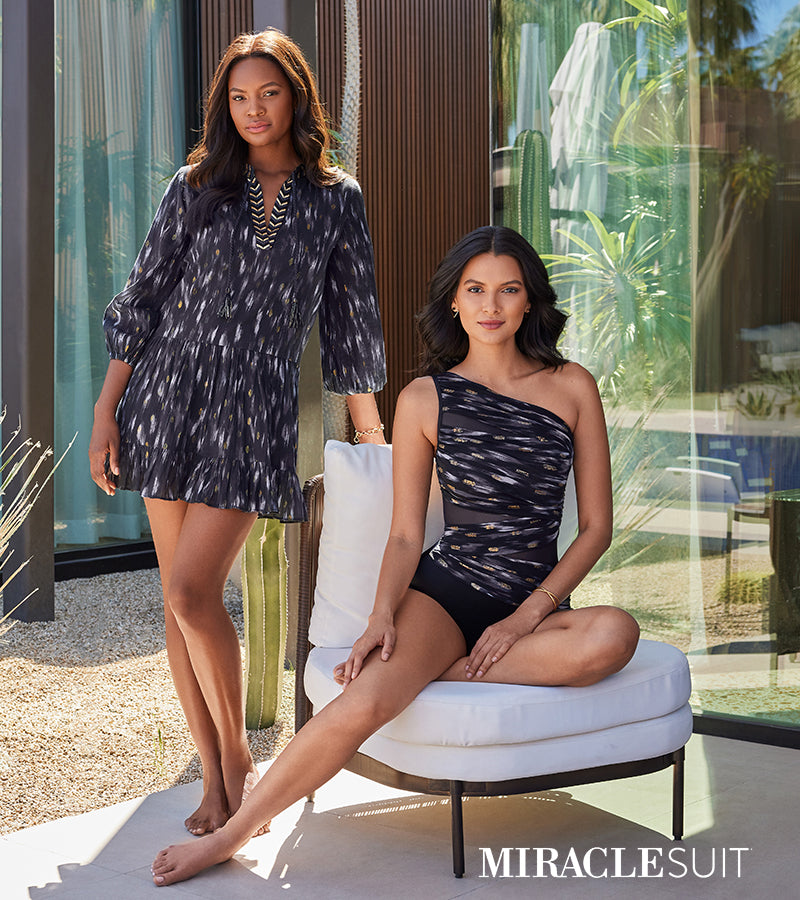
Look 10lbs lighter in 10 seconds.
Experience your transformation with slimming styles and all over shaping.
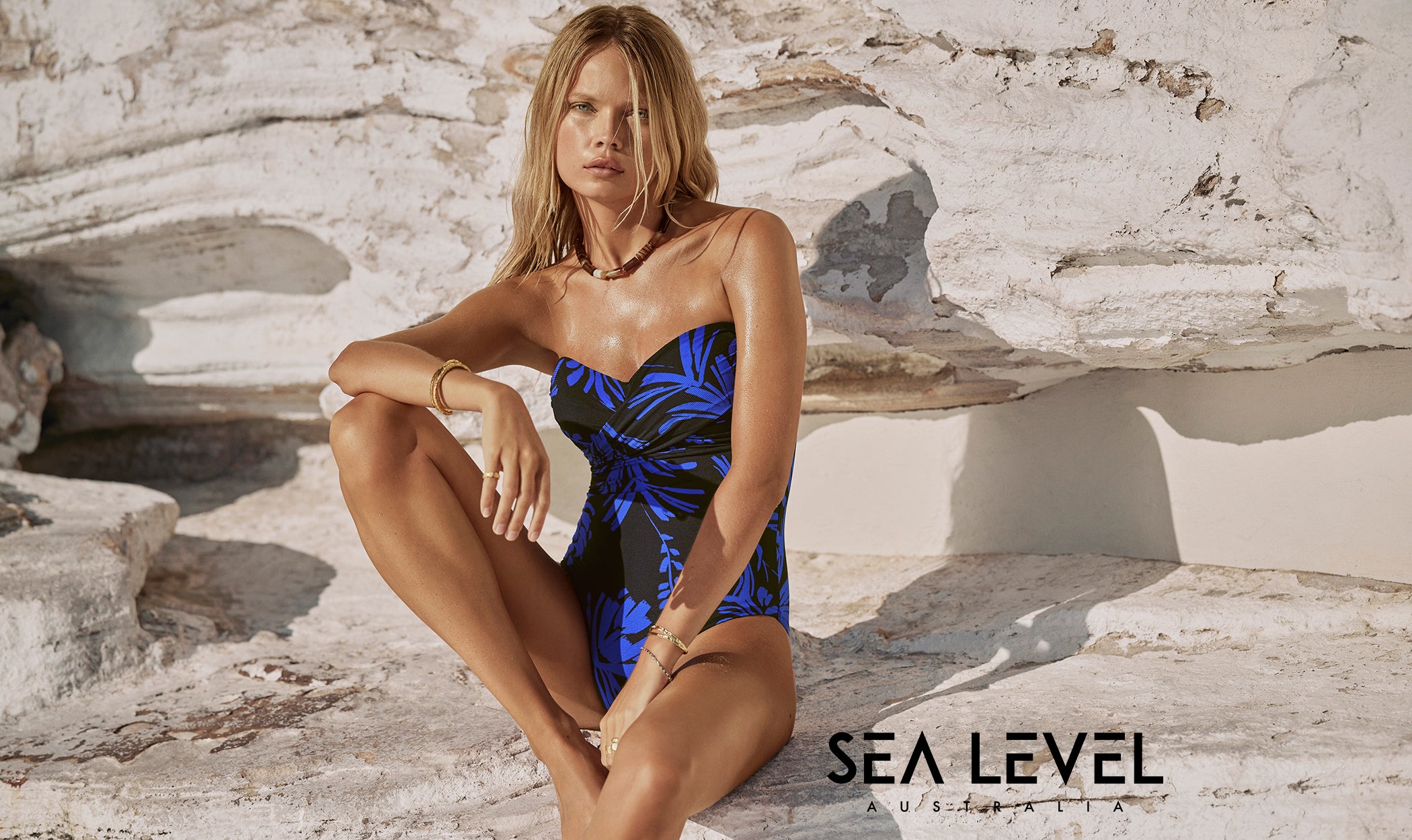
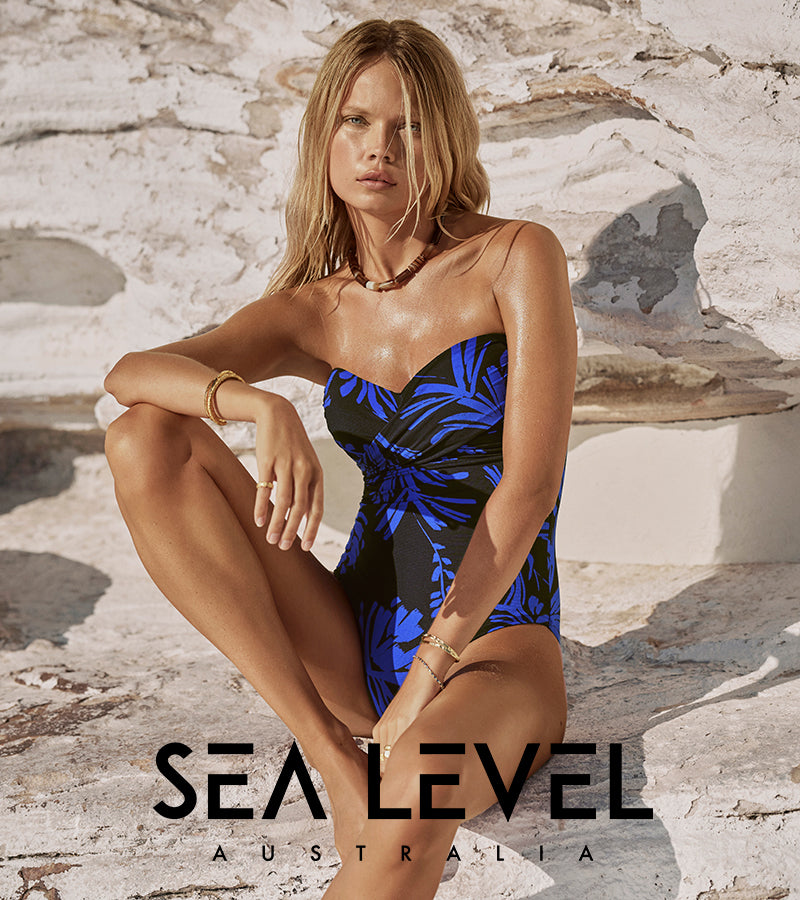
SEA LEVEL
Capturing the spirit of summer.


















Designer Swimwear and Beachwear
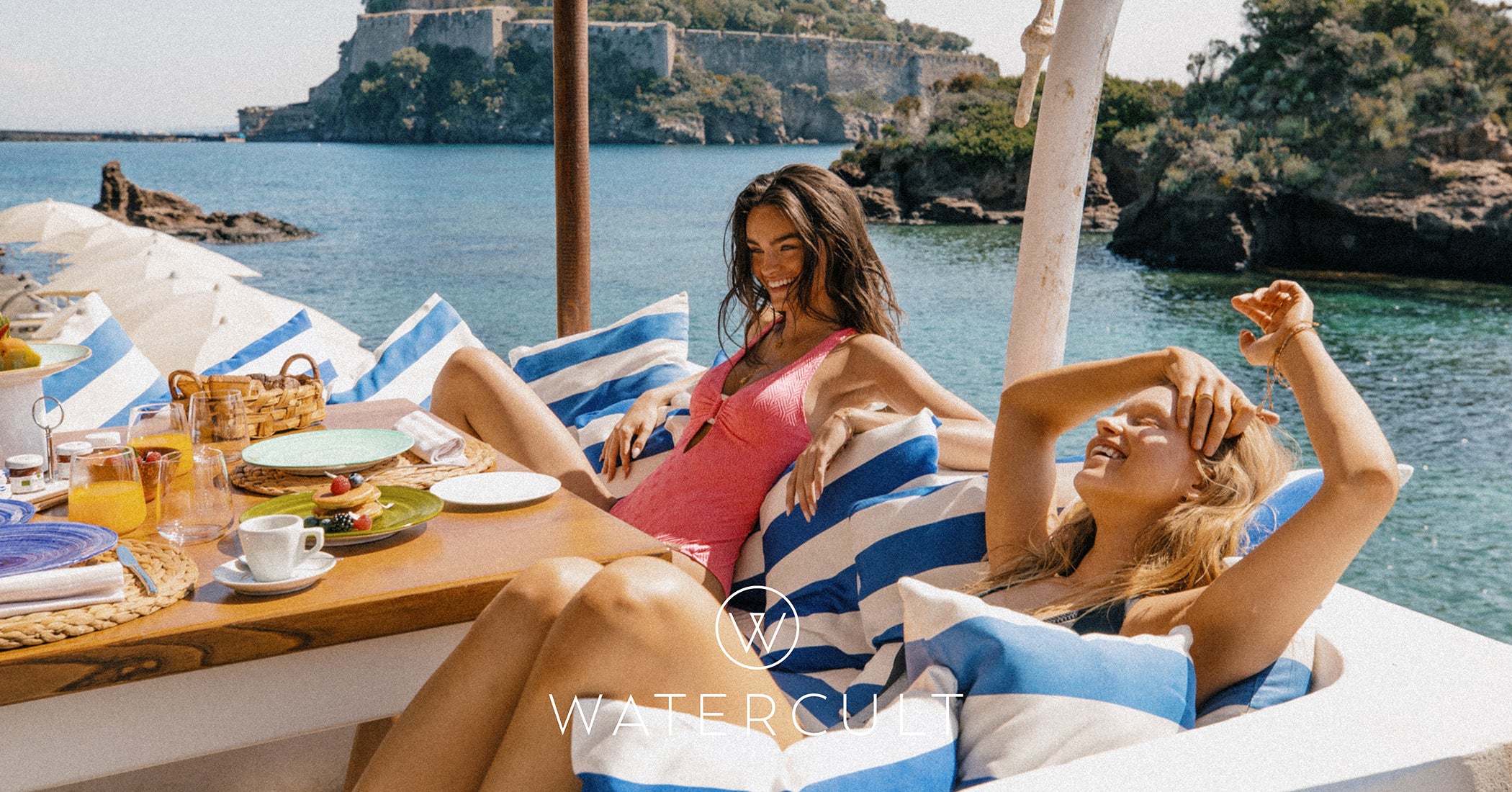
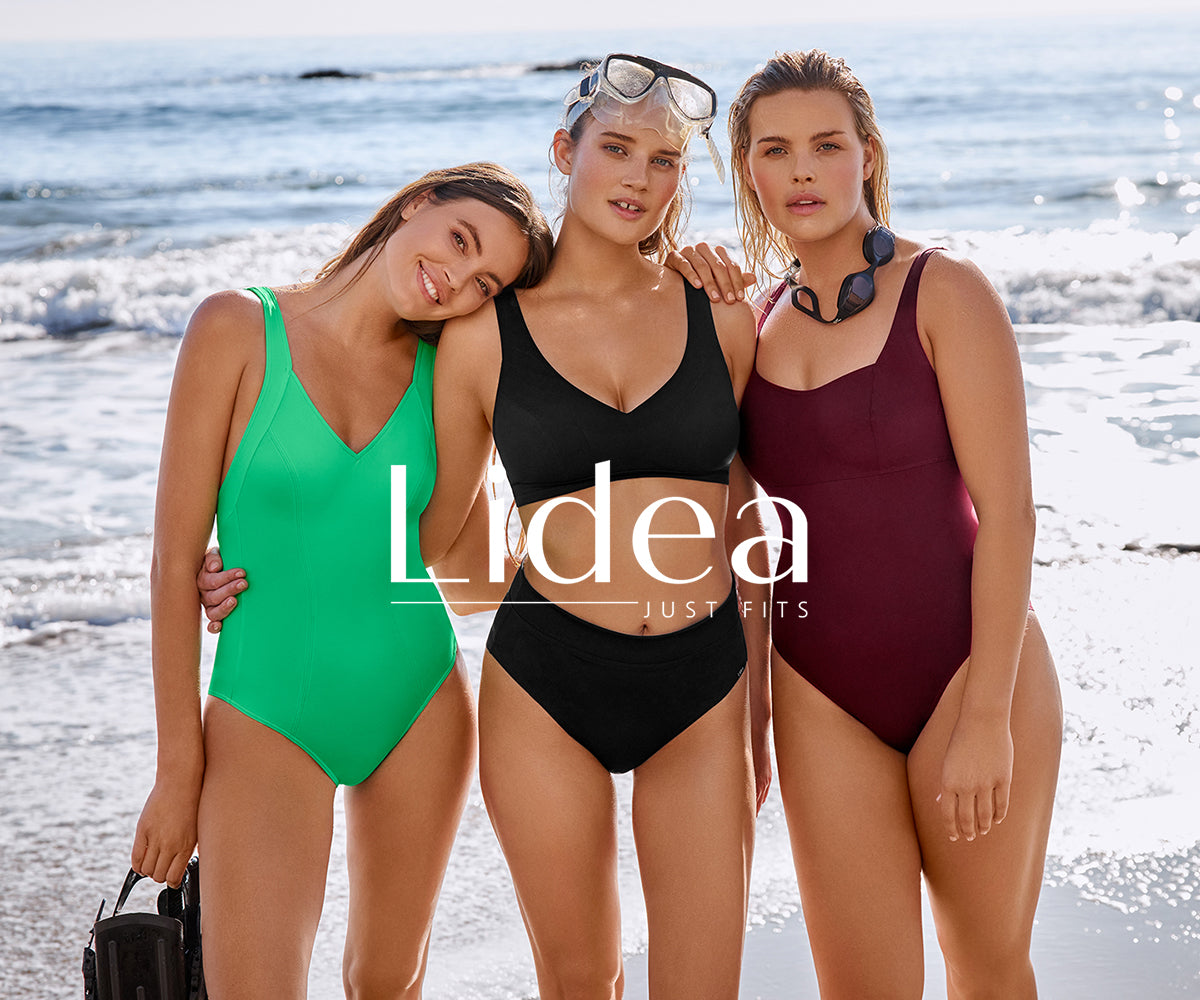
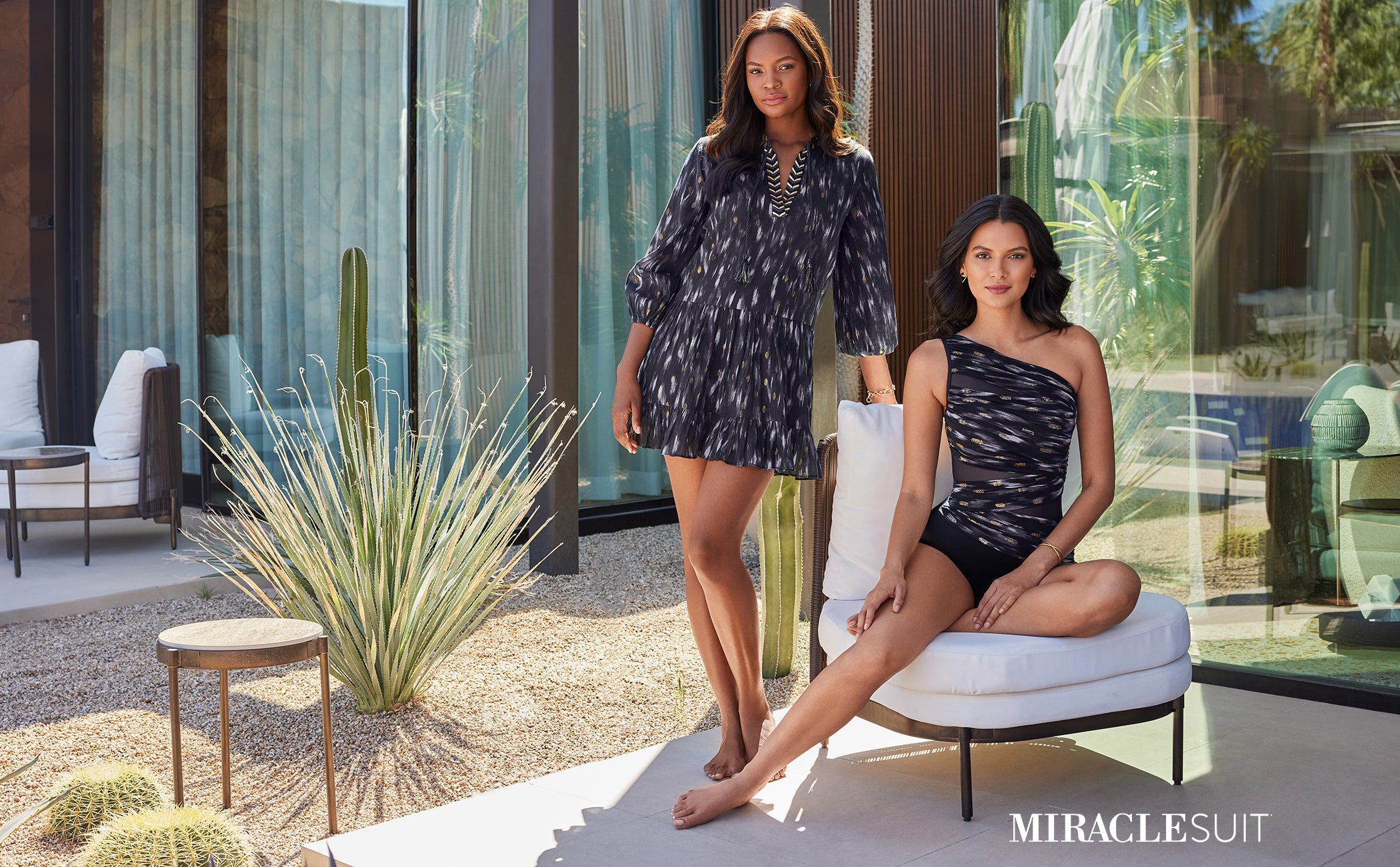
Welcome to Simply Beach! Here in our easy to navigate online store you will find a hand picked selection of the finest swimwear and beachwear available from around the world. We strive to offer swimwear that really fits and flatters and because of that we choose our selections from swim specialists; brands who make swimwear for all women so that they can look and feel fabulous at the spa, by the pool or on the beach. From the elegance and sophistication of Maryan Mehlhorn, Watercult, Charmline and Lidea made by the Maryan Beachwear Group in Germany, Roidal and Nuria Ferrer from Spain, ViX and Pitusa from South America, Miraclesuit and Lauren by Ralph Lauren from the US and Seafolly, Jets and Sea Level from Australia. We bring you swimwear you will love and trust season after season. Order online to try in the comfort of your own home and return what you don’t want with free and fast returns. We hope you enjoy browsing our store and we're on hand for advice on style and fit too so don’t hesitate to call and speak to us - we’re happy to help.